
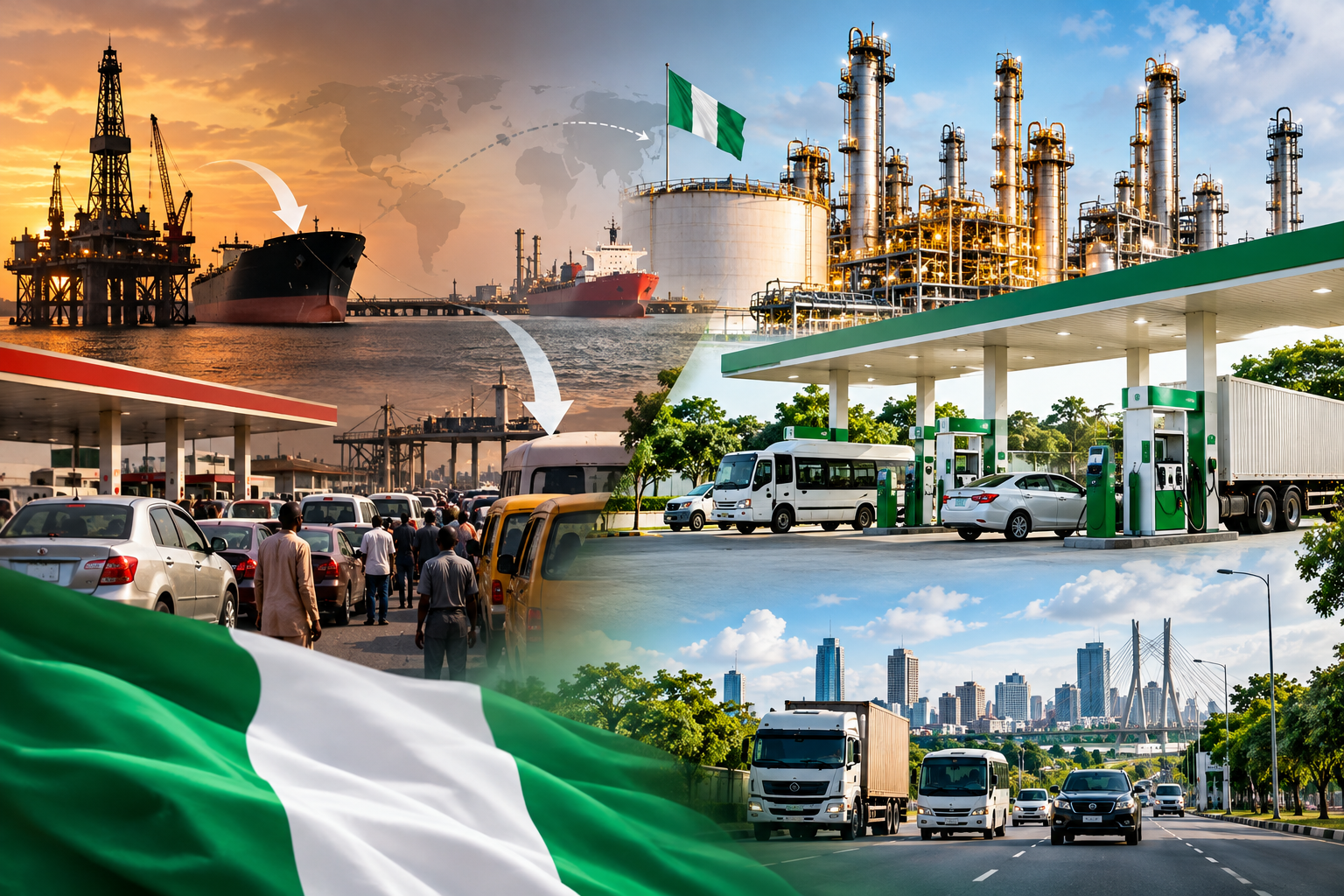
For most of its 66 years, Nigeria has lived with an odd contradiction, pumping crude oil out of the Niger Delta and selling it abroad, then buying back the petrol and diesel that its cars, buses and trucks burned, so that every time the naira slipped or a fuel ship was held up, the queues came back to filling stations across the country.
That is starting to change. With the Dangote refinery in Lekki built to process 650,000 barrels a day, more of the fuel Nigerians use is now refined at home, and on the roads, compressed natural gas from our own reserves is powering a fast-growing number of vehicles, with more than 120,000 converted under the Presidential CNG Initiative by August 2026 and new refuelling stations opening across the country.
CNG deserves credit for what it is doing right now. It costs less per kilometre than petrol or diesel and burns cleaner, which means less soot in our cities, and because the gas comes from Nigerian fields, drivers are far less exposed to import costs and currency swings than they used to be. For a transporter working on tight margins that is real relief, and for most operators it is the most practical improvement available today.
Looking further ahead
Independence is about choosing your own direction, though, and the energy story doesn't end with gas. Natural gas is still a fossil fuel, so the next chapter of self-reliance will come from sources that never run out and add nothing to emissions, and Nigeria happens to have one of those in abundance.
Most of the country gets strong sunshine all year round, and solar is already the quickest way to bring power to communities the grid has never reached, which is why the World Bank-backed DARES programme is relying heavily on solar mini-grids in its plan to connect 17.5 million Nigerians to electricity. The same panels and batteries can charge the electric motorcycles, tricycles and delivery vans that are slowly appearing on our streets, and those vehicles make up a large share of what moves goods and people in Nigerian cities.
Green hydrogen is the other source worth watching, because it is made by splitting water with renewable electricity and can fuel heavy trucks over long distances with nothing but water vapour coming out of the exhaust. It is still early and expensive in Nigeria, and nobody should pretend it is ready today, but a country with this much sun and decades of engineering experience in its gas industry is well placed to build a hydrogen sector if investment and policy start pointing that way now.
What self-reliance looks like next
The sensible path is to use what works today while we build what will work tomorrow. Operators switching to CNG are making a good decision for their businesses, and the job for policymakers, lenders and investors is to make sure the next step is ready when those operators need it, with renewable charging along our freight routes, support for local solar and battery manufacturing, and pilot projects that test hydrogen in heavy haulage.
At independence, Nigeria's founders spoke of a country that would stand on its own feet, and sixty-six years on, part of keeping that promise is a transport system powered by energy we make ourselves and getting cleaner with every decade.
At Sidante Maliz, we help logistics businesses and public bodies plan that transition in steps that make commercial sense.
Happy Independence Day, Nigeria.