

Freight
Budgeting freight costs for a volatile first quarter: fuel, the naira and what to lock in now

Sustainability
Five questions to ask your transport provider about their emissions data
Freight
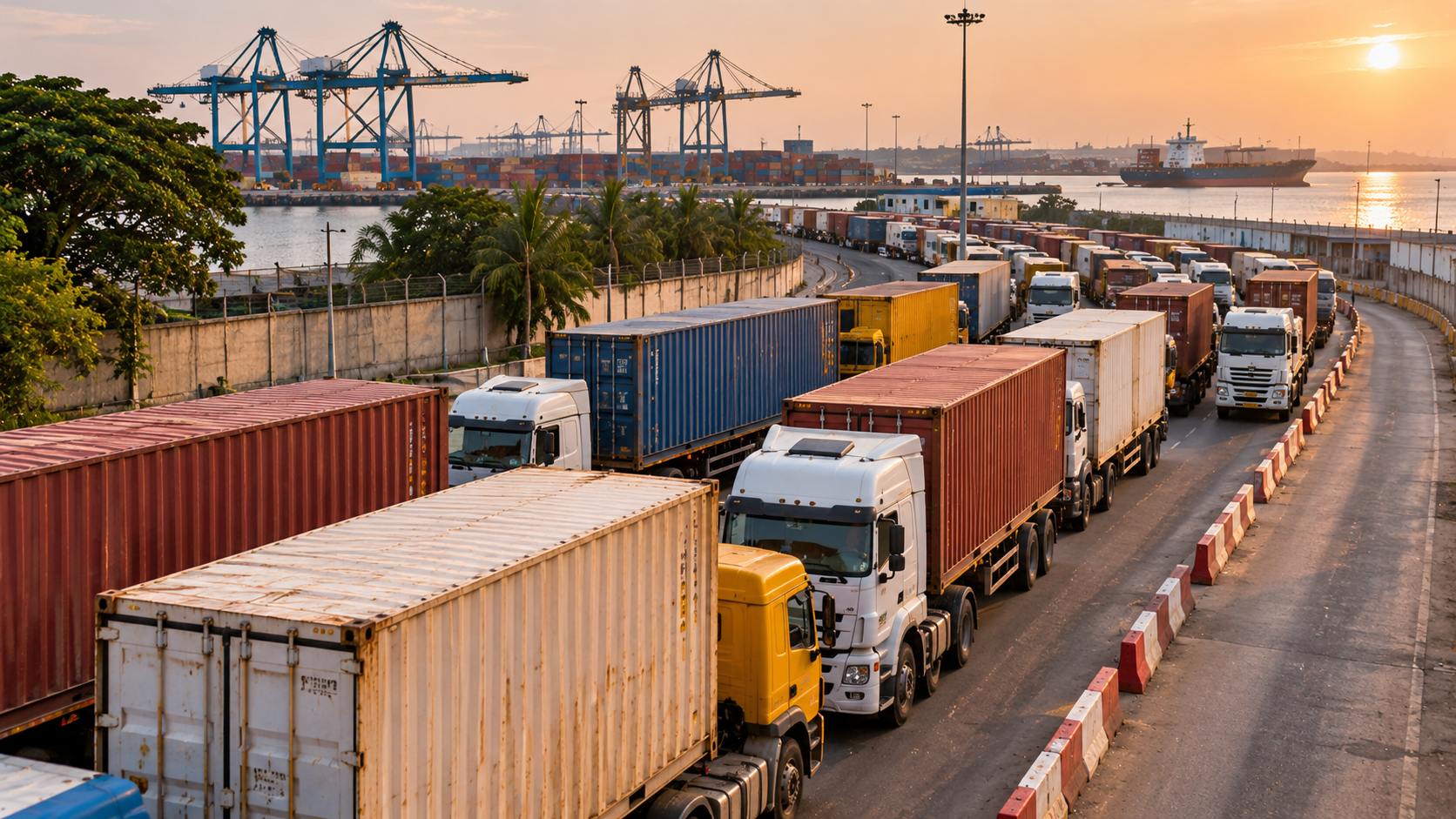
Port decarbonisation starts at the gate: the cost of truck queues at Apapa and Onne

Policy
What East Africa's Green Freight Programme can teach Nigeria

Policy
Getting finance for your fleet when credit is tight
Freight
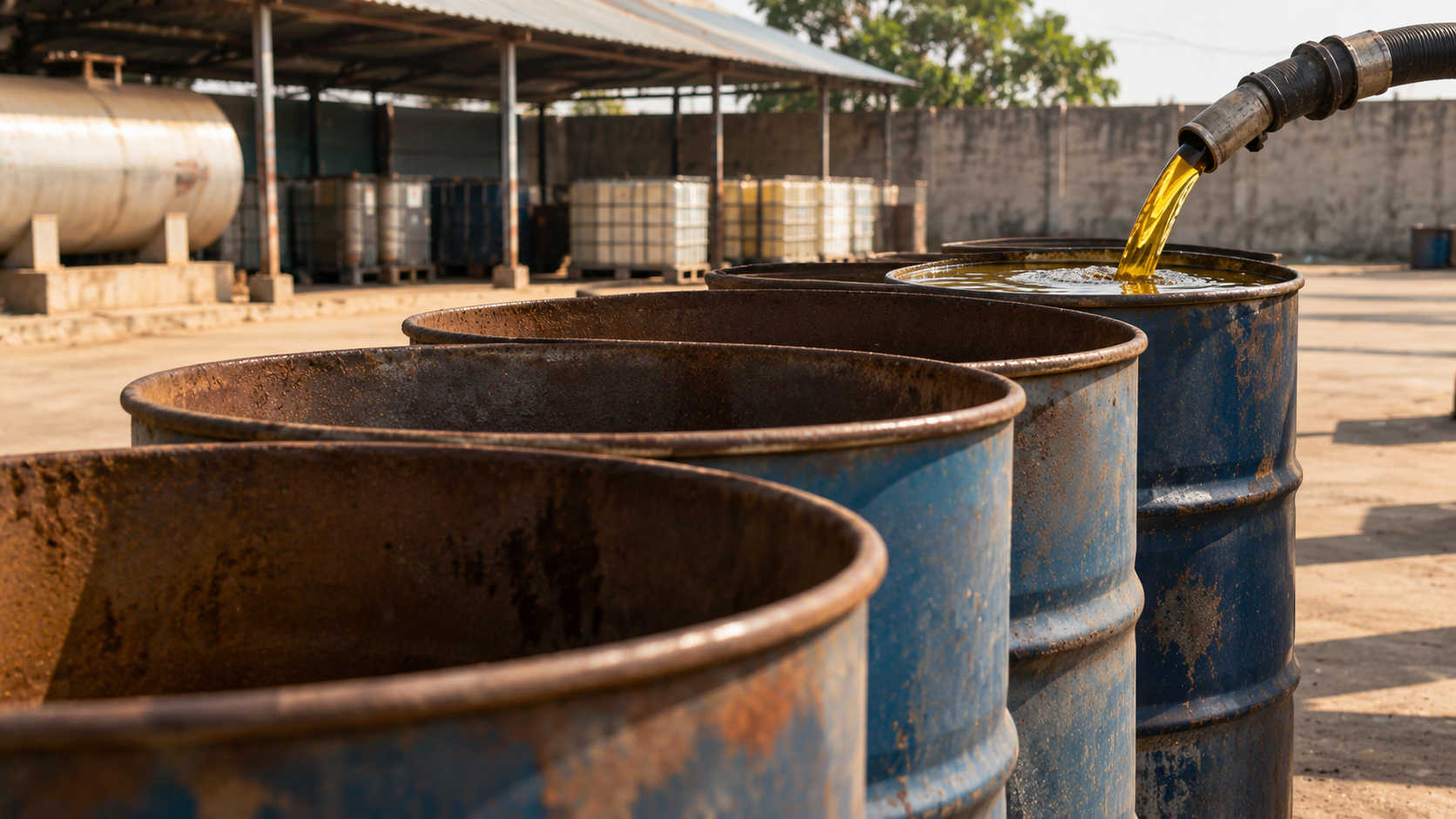
Fuel supply at home: what tighter diesel availability means for haulage planning

Sustainability
When fuel prices climb, your emissions data can show where the cost is really going

Sustainability
Why primary fuel data beats industry averages

Sustainability
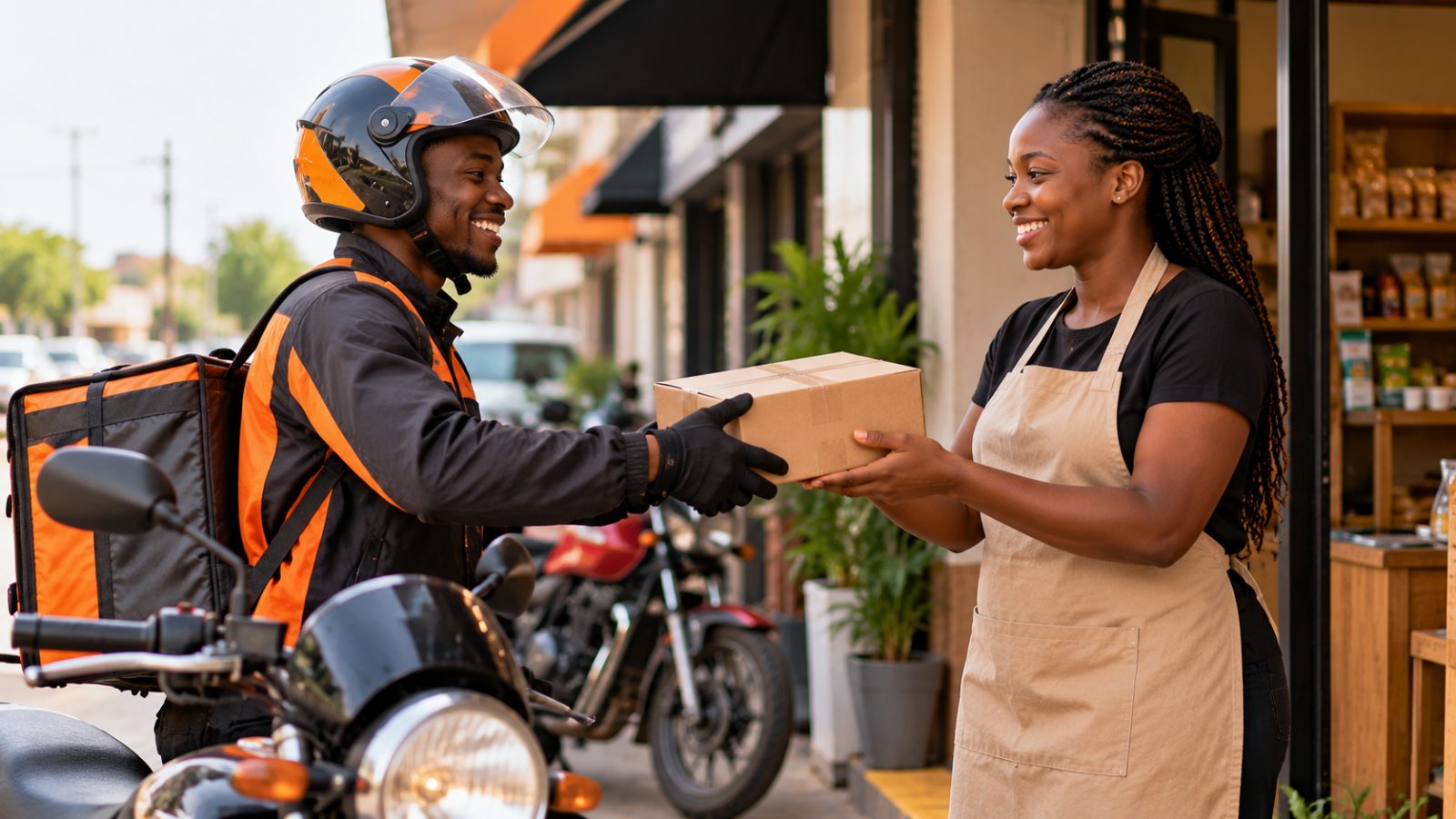
Last-mile delivery and net zero in African cities
Sustainability
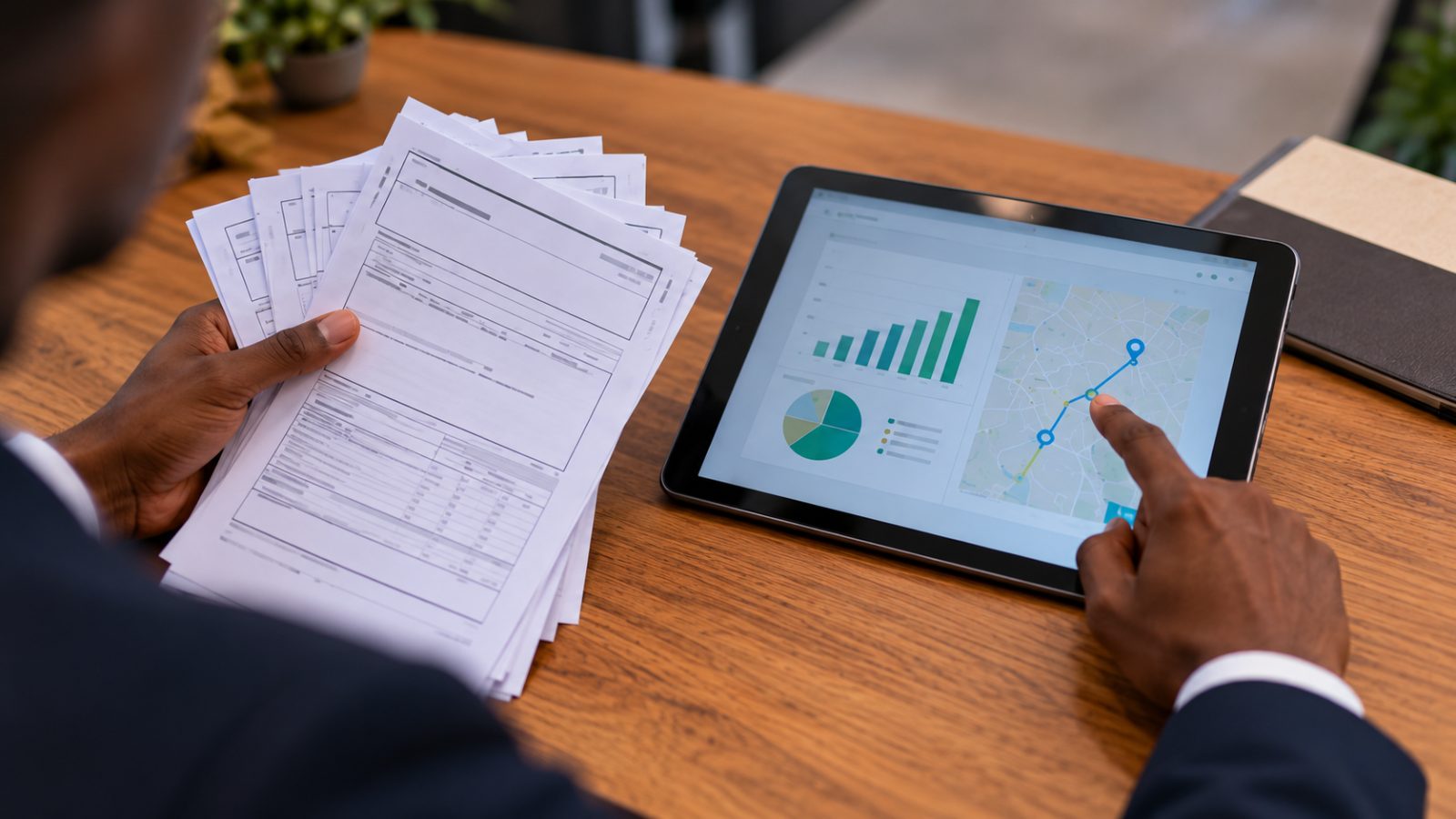
Carbon accounting for small logistics businesses
Technology
Turning waybills into carbon data: how businesses without software can still report emissions

Freight
Why empty return trips are costing you money and carbon
Freight
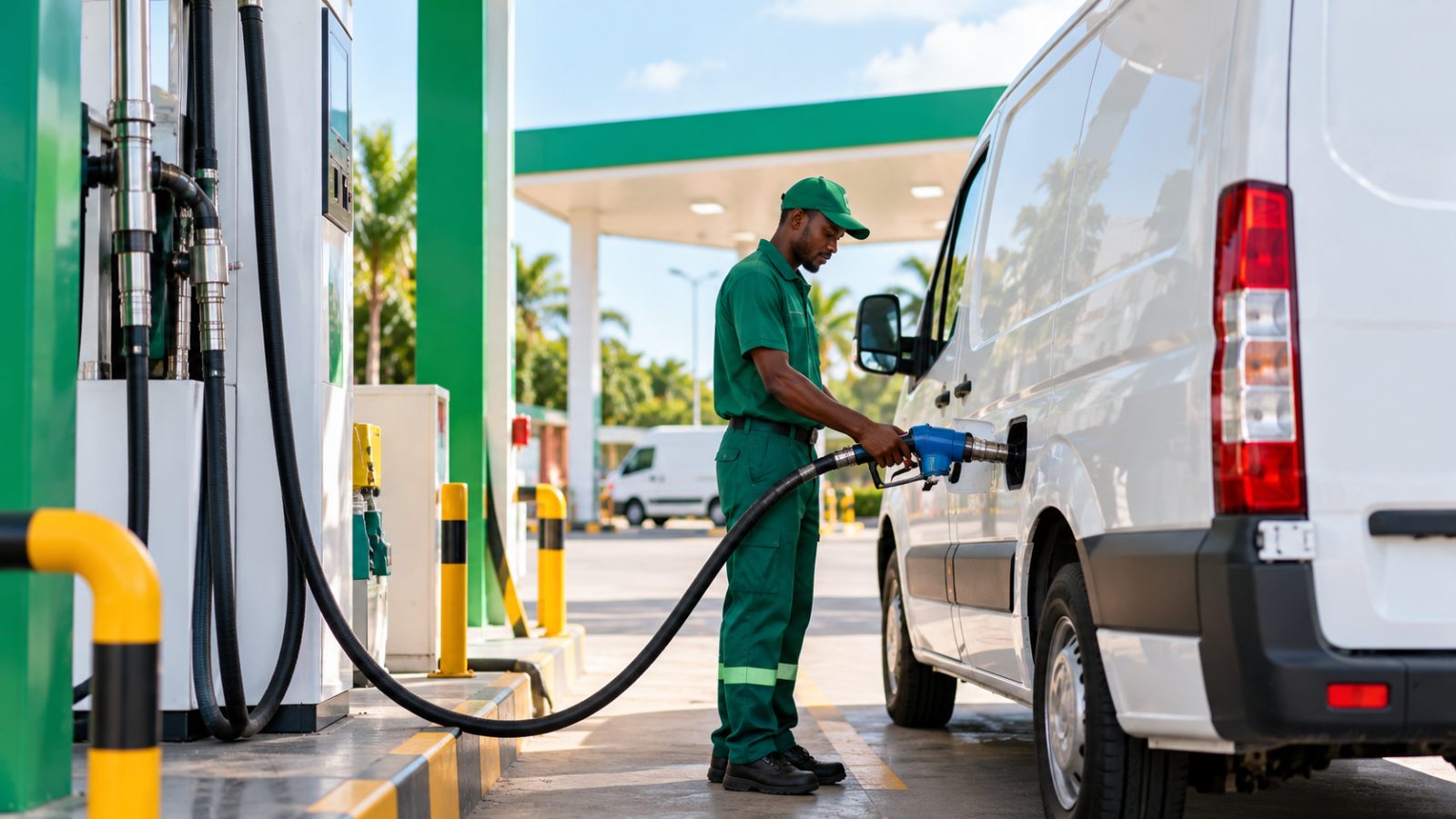
Diesel, petrol or CNG: comparing emissions per delivery in Nigeria
Technology
GLEC Framework and ISO 14083 in plain English

Sustainability
Scope 3 emissions from deliveries: what your customers will start asking for
Policy
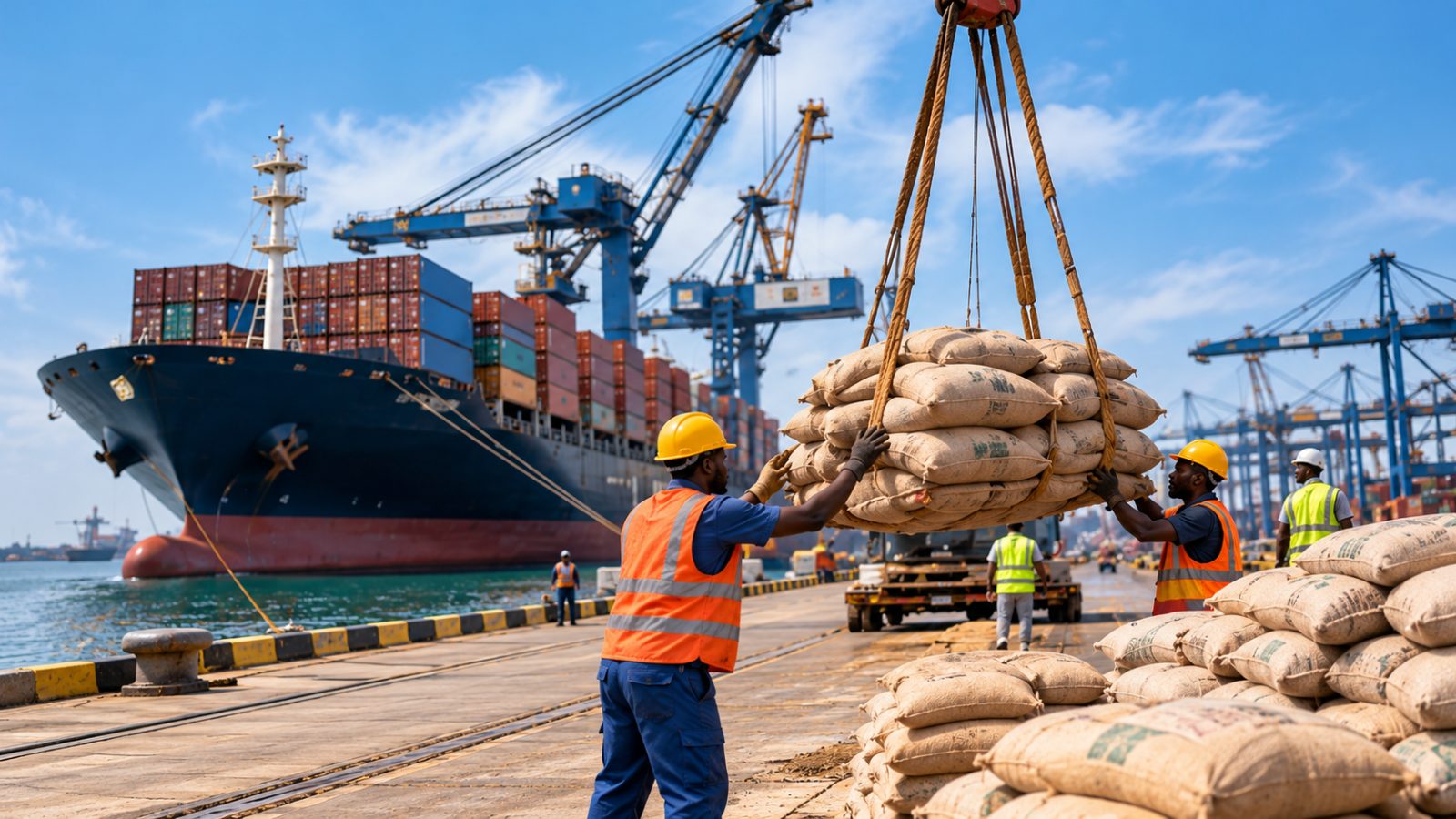
EU CBAM explained for Nigerian exporters: why your freight emissions matter

Regulation
What FRCN's sustainability reporting rules mean for transport and logistics companies
Sustainability
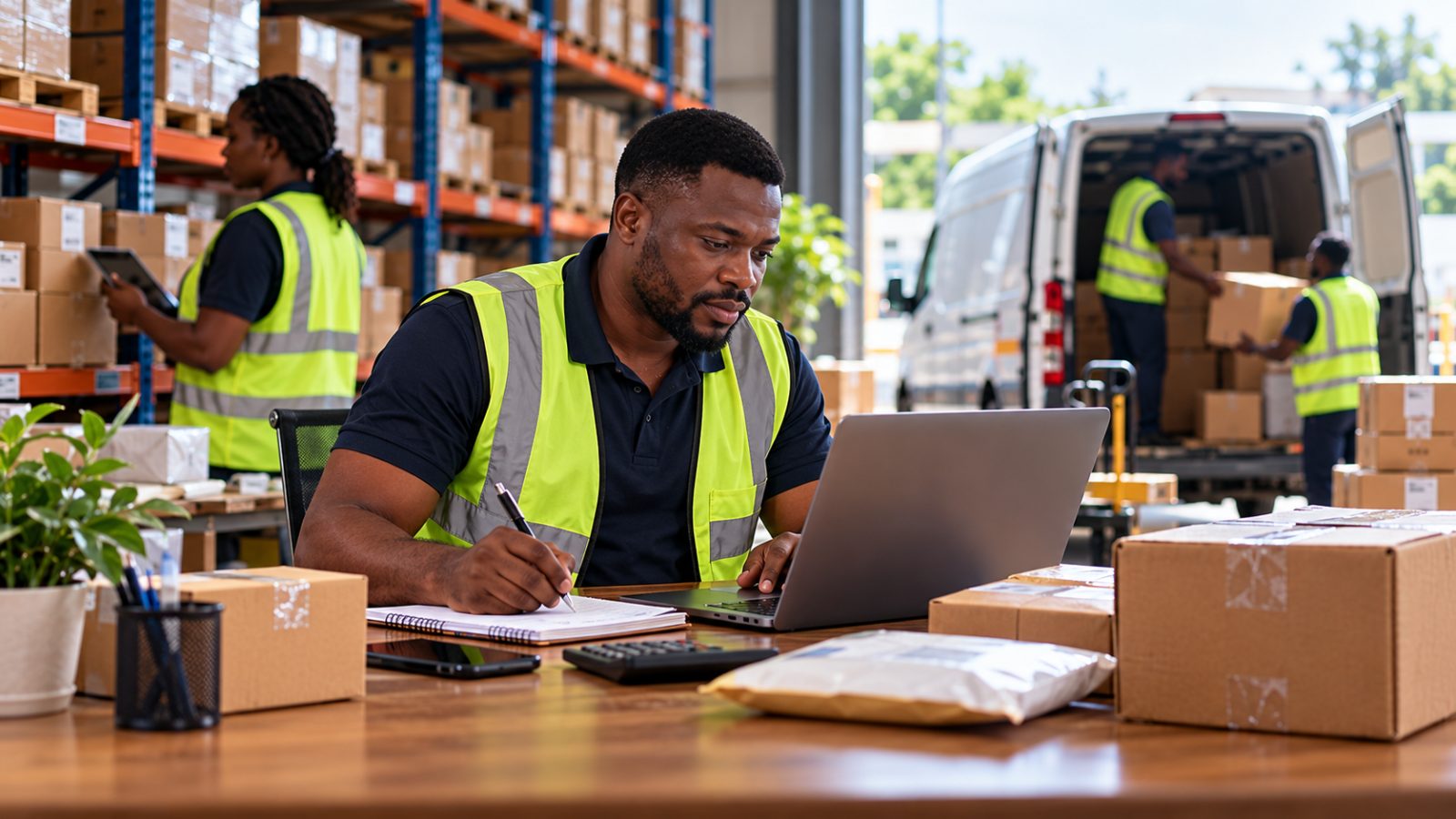
How to calculate your delivery emissions in Nigeria: a simple guide for logistics businesses

Regulation
Nigeria's sustainability reporting push: what it means for your business
Sustainability
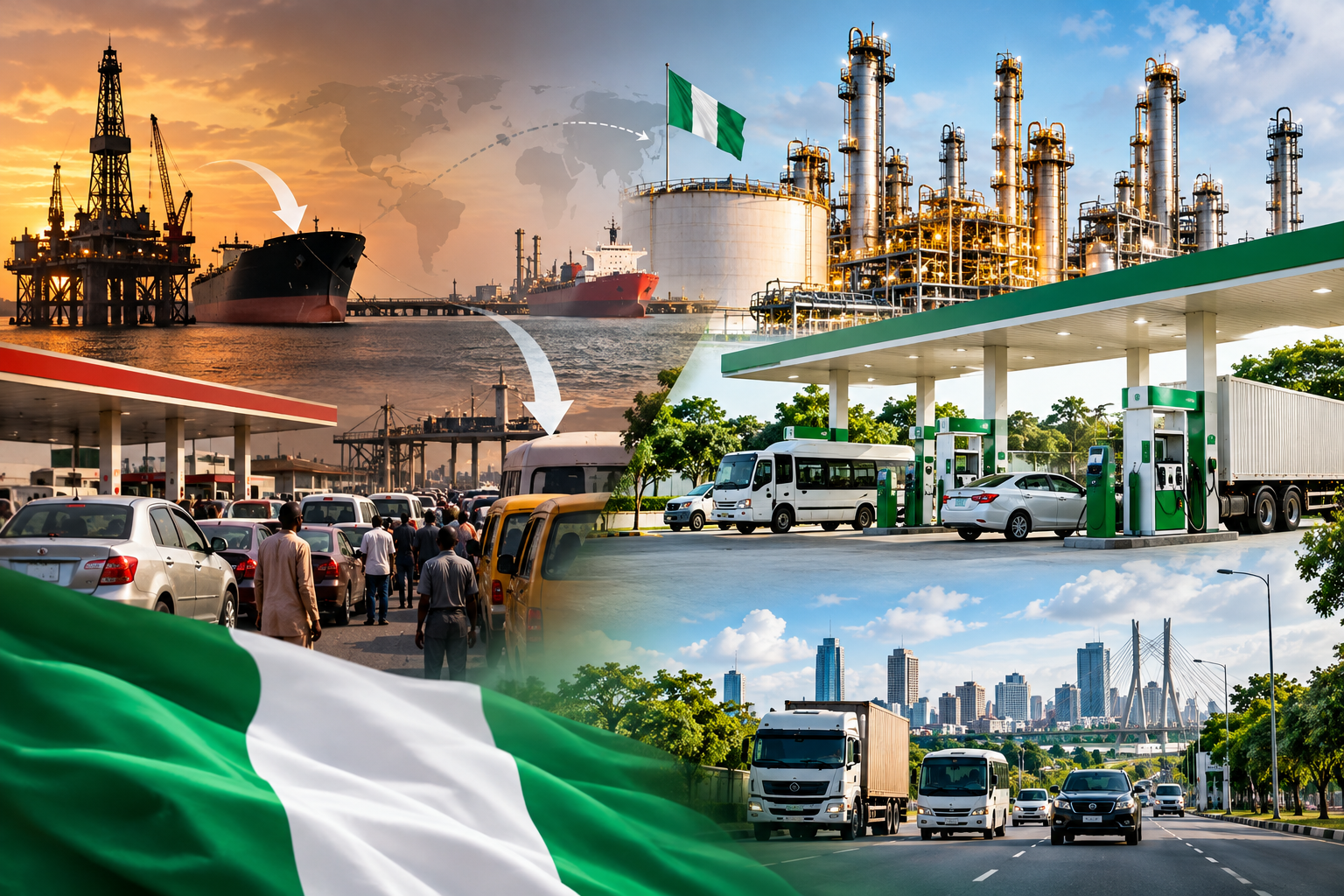
Fuel from our own ground

Policy
Independence includes measuring ourselves
Freight
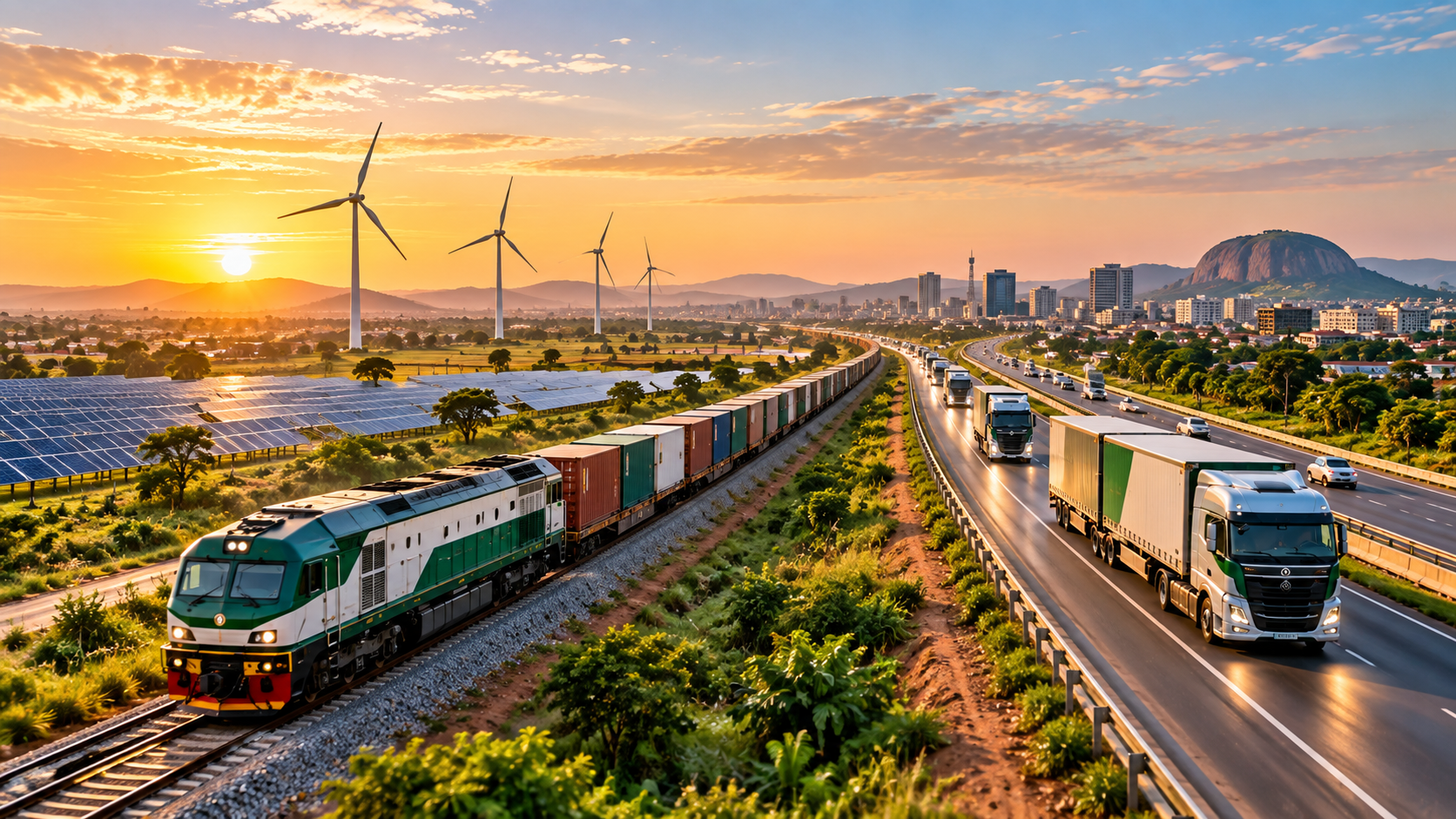
The next 66 years of moving Nigeria

Technology
Digital freight marketplaces: what UK operators can learn from Nigeria
Sustainability
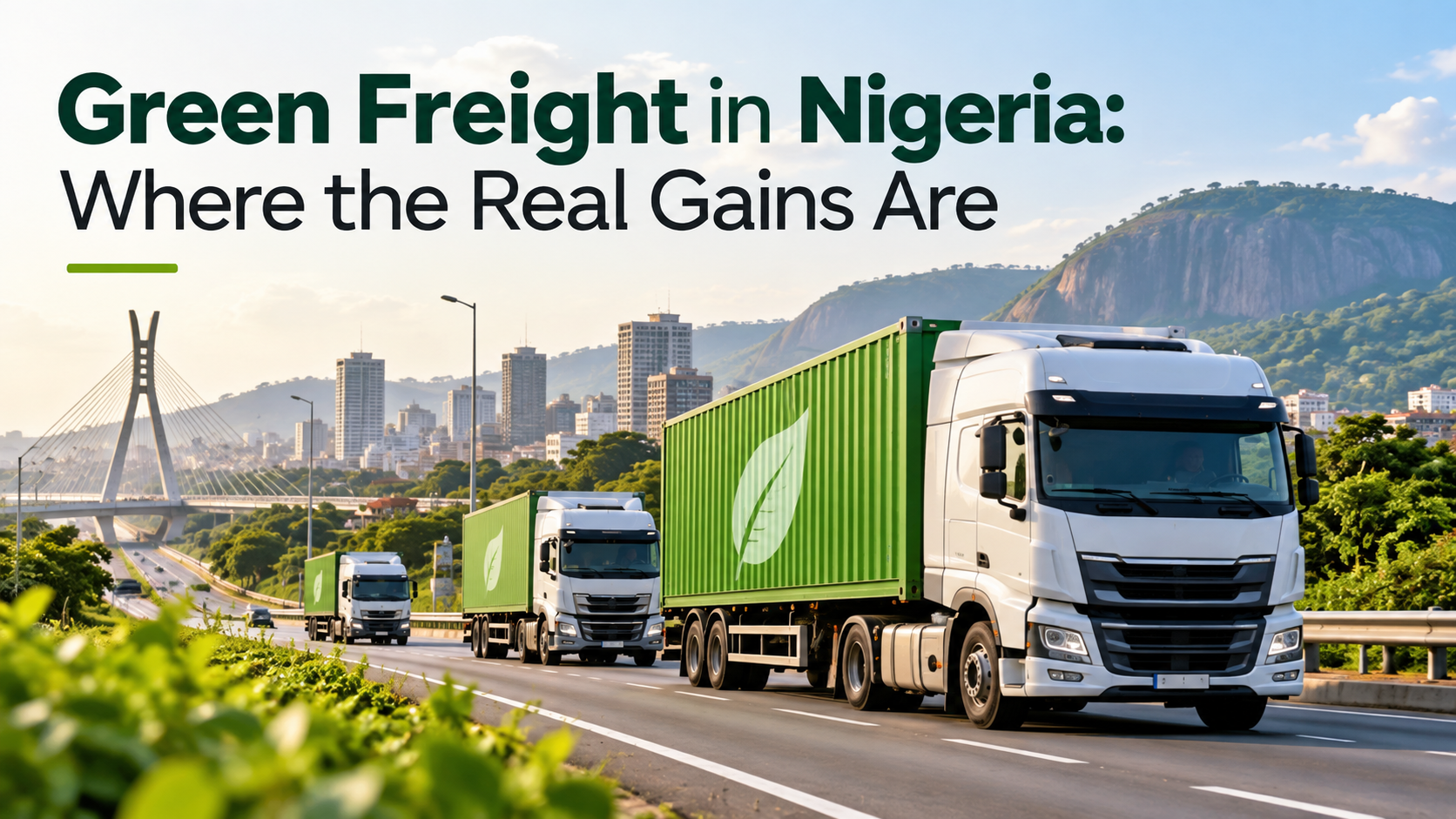
Green Freight in Nigeria: Where the Real Gains Are

Policy
Policies for a Green and Fair Nigeria
Sustainability
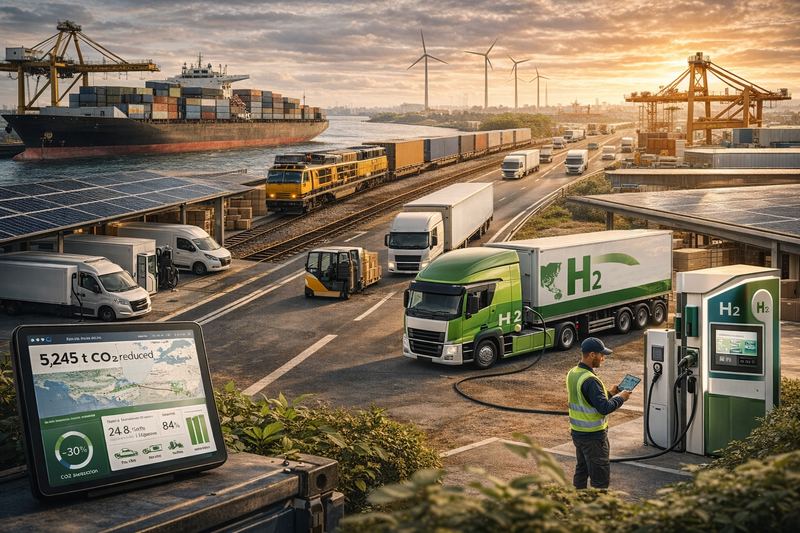
What a Green Freight standard means for Nigerian fleet operators

Policy