
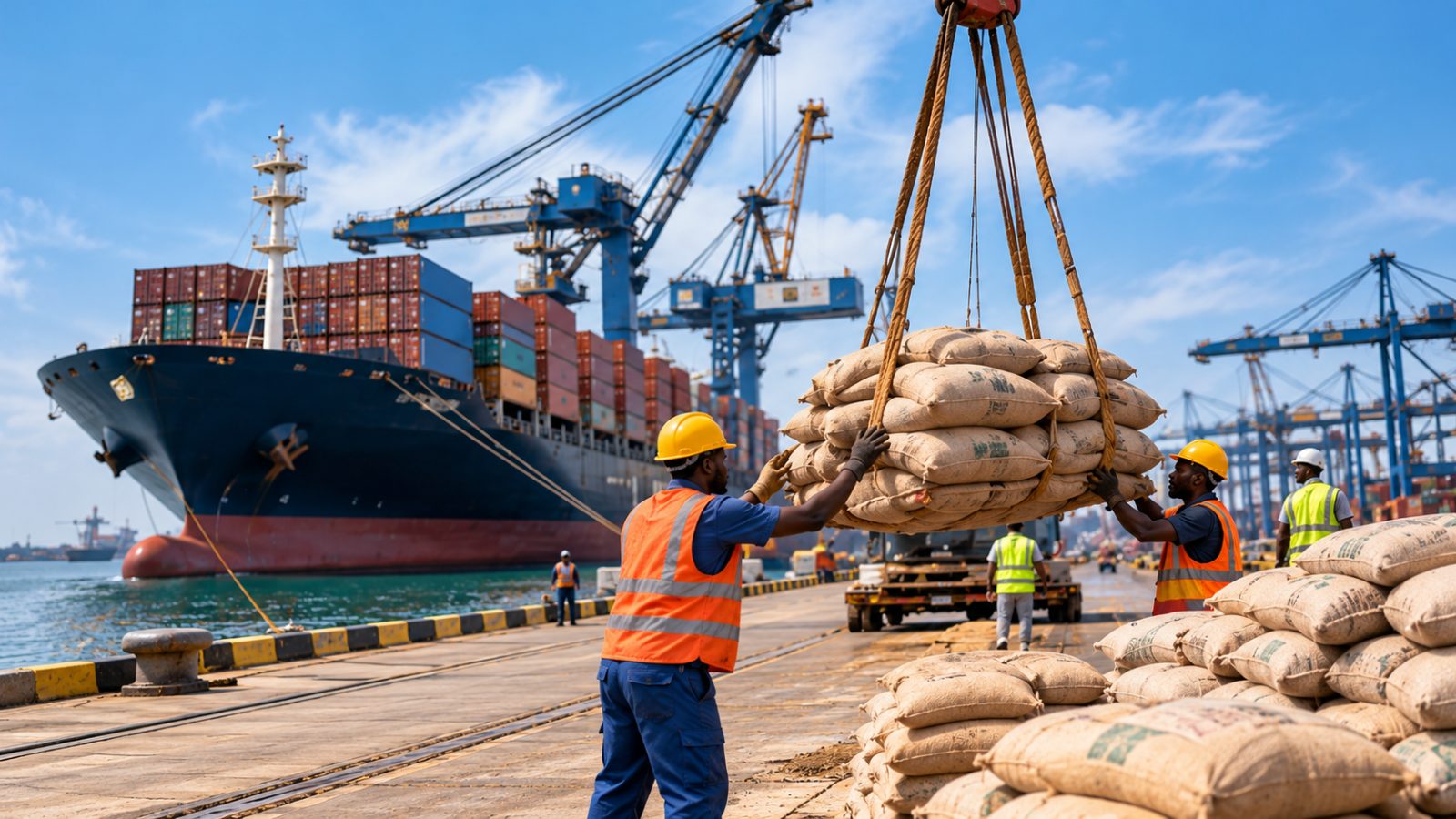
Since 1 January 2026 the European Union's Carbon Border Adjustment Mechanism, usually shortened to CBAM, has moved out of its trial period and into its definitive phase. In simple terms, EU importers of certain goods now have to account for the carbon emitted in making those goods, and will have to buy certificates to cover it, so that products made outside the EU face a carbon price similar to the one European producers already pay.
Which goods are covered
For now CBAM applies to a short list of carbon-heavy products: cement, iron and steel, aluminium, fertilisers, hydrogen and electricity. For Nigeria the most relevant of these are fertilisers, particularly urea, and to a smaller extent aluminium and steel products. Crude oil, gas, cocoa, sesame, cashew and most of what Nigeria sends to Europe are not on the list.
It is worth being clear on one point. The emissions counted under CBAM are the emissions embedded in producing the goods. Transport to the EU border is not currently part of the CBAM calculation. So a Nigerian urea exporter will be asked about the emissions from its plant, not about the trucks that took the fertiliser to the port.
So why do freight emissions matter?
There are three reasons, and they are practical rather than theoretical.
The first is that CBAM is designed to grow. The European Commission has committed to reviewing whether more products, and more of the supply chain, should be brought in. Exporters who already understand their full carbon footprint, including logistics, will be better placed if the scope widens.
The second, and more immediate, reason is that European buyers have their own reporting duties. Large EU companies reporting under European sustainability rules have to account for Scope 3 emissions, which include the transport of the goods they buy. When a European cocoa processor or a food retailer asks a Nigerian supplier for its carbon data, the trucking from farm gate to warehouse to port is part of what they want to see, whether or not CBAM applies to that product.
The third is competition. Buyers comparing two suppliers with similar prices and quality will increasingly lean towards the one that can provide clean, credible emissions data without a long delay.
What exporters can do now
If your products are covered by CBAM, the priority is getting accurate production data from your plant, because EU importers will need verified figures and the default values the EU publishes are set to be unfavourable.
For everyone else, the sensible step is to start collecting the basic logistics records: how goods move from the point of production to the port, what vehicles are used, how far they travel and how much fuel they burn. Many exporters use third-party hauliers, so this may mean asking your transport partners for information they have never been asked for before. Building that relationship early will save a lot of pain later.
A measured view
CBAM is not going to change the economics of most Nigerian exports this year. What it does is signal the direction of travel, and that direction is towards buyers asking for carbon data across the whole journey of a product. Exporters who treat this as an early warning, rather than a distant European issue, will find themselves with an advantage when the questions arrive.